
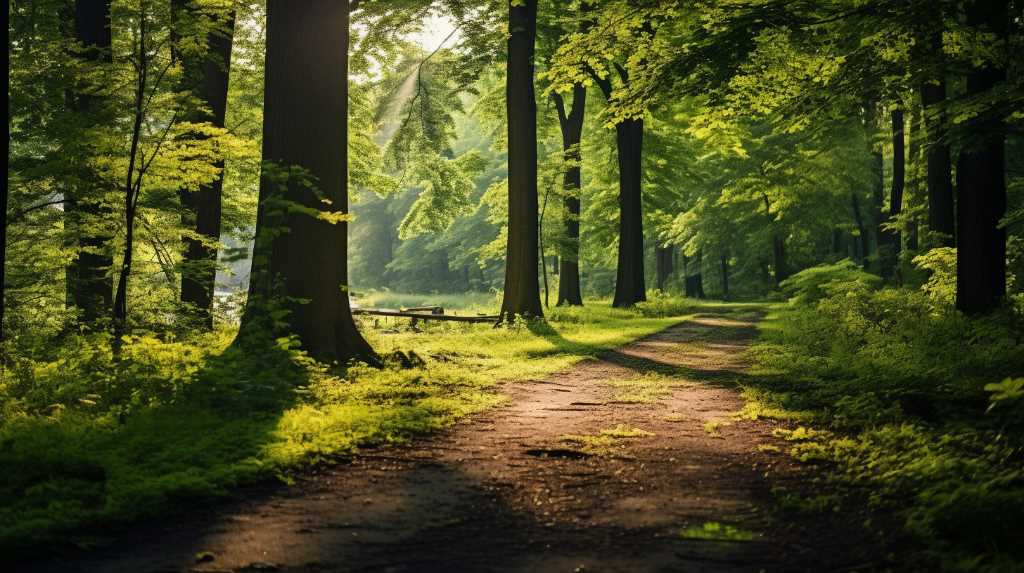
In the heart of South Euclid, Ohio, you’ll find peaceful nature trails perfect for those who love the outdoors. Quarry Park North offers challenging hikes with beautiful views. Bexley Park features easy-to-walk paths surrounded by green trees and plants. The Euclid Creek Reservation has a bigger network of trails that let you see and learn about the local plants and animals.
Before you go hiking, it’s smart to learn some safety tips and ways to enjoy the trails without harming nature. The beauty of these trails changes with the seasons, giving hikers something special to see all year. Whether you’re new to hiking or very experienced, South Euclid’s trails are a great choice for your next outdoor adventure.
Exploring Quarry Park North
Quarry Park North, located in South Euclid, Ohio, is a popular spot for hiking. The park is filled with different trails that cater to everyone, whether you’re looking for an easy stroll or a more demanding hike.
As you walk through the park, you can enjoy the beautiful scenery, including tall trees and the sounds of animals. There are also signs along the paths that teach you about the rocks and plants you see, making the park not only a place for exercise but also for learning about nature.
Quarry Park North shows the city’s effort to keep natural spaces for people to enjoy and learn from.
The Charm of Bexley Park
Bexley Park is a lovely spot in South Euclid that’s perfect for enjoying nature. It’s surrounded by homes, but it’s still a piece of the great outdoors right in the middle of the city. The paths are easy to walk on and you’re surrounded by tall trees that provide plenty of shade. It’s an ideal place for a relaxed walk or an energetic hike.
People who like watching birds and being in nature often talk about how many different kinds of birds you can see here and sometimes other animals too. Every season makes the park special in its own way. Spring has beautiful flowers and in the fall, the leaves turn bright colors.
It’s a great place to find peace or get some good exercise outside.
Euclid Creek Reservation Trails
Euclid Creek Reservation Trails offer a peaceful and varied hiking experience, expanding on what Bexley Park has to offer. This large area covers over 650 acres and includes both paved and unpaved paths. These paths wind through different scenes, including thick forests and open fields.
Hikers can see many plants and animals native to the area and listen to the calming sounds of Euclid Creek. This adds a lovely background noise to a refreshing walk or hike. The trails are designed for all skill levels, meaning anyone from a beginner to an experienced hiker can find a path that’s both fun and challenging.
The reservation also has helpful facilities and signs to guide visitors. This shows the local dedication to keeping natural areas beautiful and encouraging people to stay active outdoors.
For someone looking to explore these trails, I’d recommend wearing comfortable hiking shoes and bringing a water bottle. You might also want to have a camera ready to capture the scenic views or any wildlife you come across. If you’re new to hiking, try the paved paths first before moving on to the more challenging natural trails.
Enjoy your hike and take in all that Euclid Creek Reservation Trails have to offer!
Hiking Tips for South Euclid
When you’re getting ready to hike in South Euclid, make sure you’re well-prepared for a good time and your safety. Start by looking at the weather forecast so you can wear the right clothes. It’s a good idea to bring extra layers just in case the weather changes.
Wear strong, comfortable shoes because the paths can be rough and uneven. Take a map with you, even though the trails are marked, to avoid getting lost. If you’re hiking by yourself, tell someone where you’re going and when you plan to return.
Don’t forget to bring plenty of water to drink so you won’t get dehydrated, and pack some snacks like nuts or granola bars to keep your energy up. Also, be careful around animals and plants you see – admire them from a distance.
Always remember to leave the place as you found it: only take pictures and make sure the only thing you leave behind are your footprints. This way, the trails stay clean and beautiful for others who love nature just as much as you do.
Seasonal Changes on the Trails
When you switch from general hiking advice to the specific trails in South Euclid, it’s key to keep in mind how different seasons change your hiking experience.
In spring, you’ll walk among blooming wildflowers as the ground thaws and life bursts forth. It’s important because it’s the rebirth of nature that you can see up close.
Summer brings thick, green leaves and the sounds of animals, which is great for staying cool and enjoying nature’s music.
Autumn is special because the leaves change to brilliant reds, oranges, and yellows, offering a stunning backdrop for your walks in the cooler air.
Winter may be tough with its cold and snow, but it’s also peaceful, and you can try snowshoeing, enjoying the quiet of the snowy trails.
Each season brings its own beauty to South Euclid’s trails, inviting you to keep coming back to see how they transform over the year.
Conclusion
Wrapping things up, if you’re in South Euclid, Ohio, you’re in for a treat with the scenic trails available for walking and hiking. Quarry Park North is great for a peaceful stroll, Bexley Park has a community vibe, and Euclid Creek Reservation is a haven for wildlife lovers.
Before you go, make sure to check the weather and dress accordingly to have a safe and pleasant time. These trails are perfect for getting some exercise and clearing your mind amidst nature.
If you’re planning a trip, consider the following tips for the best experience:
- Wear comfortable shoes with good grip for Quarry Park North, where the paths can be uneven.
- Bring along a community spirit to Bexley Park, where you might bump into local joggers and pet walkers.
- Pack binoculars for bird watching at Euclid Creek Reservation to get a closer look at the diverse bird species.
Remember, these trails aren’t just for keeping fit; they’re a great way to relax and reconnect with the outdoors.


